A glimpse at something new, novel, or rarely seen at Carnegie Museums.
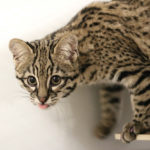
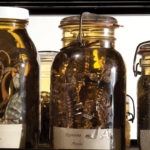
Putting Science In Full View
How a visit to the museum became a life lesson in supporting what you love, at any age.
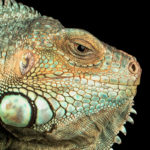
Beyond the Scales
Mysterious and even feared, reptiles are some of nature’s most misunderstood animals. A new exhibition at Carnegie Museum of Natural History gives these fascinating creatures a much-deserved close-up, revealing their complexity, resourcefulness, and beauty.
Director’s Note
The world is changing rapidly. There seems to be concerning news everywhere: mass poverty in the developing world, an increasingly divisive political climate here at home, and a multitude of

Two Scientists Walk into a Bar
What happens next is music to the ears of the Science Center’s roving band of friendly science geeks.

Why Birds Matter
One hundred years ago this past July, not long after the last of the once-plentiful passenger pigeons vanished from the skies, a cornerstone wildlife protection law passed in the U.S.,

Where Have all the Trees Gone?
Tree coverage in Allegheny County is disappearing at an alarming rate, says Tree Pittsburgh. Experts weigh in on why it matters and the course ahead.
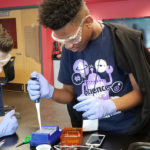
At Long Last: Expanded Learning and Fun
The Science Center’s new PPG Science Pavilion will welcome more young learners, expand the kinds of science fun they can cook up, and bring large-scale traveling shows to the region.
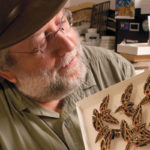
Living in a Bug’s World
In a time of unprecedented environmental change, a small and determined brigade of Carnegie Museum bug scientists is redefining the power and urgency of museum collections. Now, as the team’s intrepid leader prepares for retirement, the hunt goes on.

Face Time: Nicole Heller
Nicole Heller used to spend her days on hands and knees trying to tease apart the secret world of Argentine ants—an invasive insect that has risen to worldwide prominence thanks

How I Fell in Love with Science
More than 2,000 area students participate in STEM competitions each year through Carnegie Science Center. For some, it ignites a lifelong passion for science.
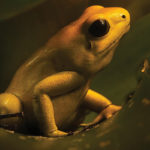
Nature’s Garden of Good and Evil
Poison’s role in nature, legend, and human health is complex—from defense to lethal-weapon-turned-lifesaving treatment.

The Great American Eclipse
August 21 marks a rare opportunity to witness one of nature’s most dazzling spectacles: the first total eclipse of the sun to sweep the country in nearly a century.

Climate Change in Our Backyard
Carnegie Museum of Natural History researchers are on the front lines of climate science, tracking the complex changes unfolding right here in western Pennsylvania.
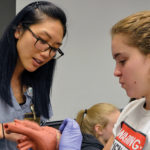
Tour Your Future
Carnegie Science Center partners with local workplaces to inspire young women to expand their vision of their life’s work.

To Preserve and Protect
Behind the scenes with the cultural caretakers of Carnegie Museum of Natural History’s one-of-a-kind collections.

What’s a Coryphodon?
A Carnegie Museum of Natural History anatomist is leading a major new study aimed at telling a new, more informed story of long-lost mammals and humans’ evolutionary past.
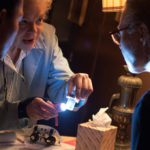
The Unforgettable DODO
An immersive theater production featuring actors, scientists, and the expanse of Carnegie Museums’ historic Oakland building, Bricolage’s DODO set a whole new standard.

Face Time: Richard Pell
Richard Pell is an unlikely person to start a new scientific museum, especially one receiving international acclaim. He is, after all, an artist who never took a science course after

Call of the Wild
How Childs Frick, son of Pittsburgh industrialist Henry Clay Frick, provided the foundation for Carnegie Museum of Natural History’s world-class collection of African mammals.

Earth in the Age of Humans
For the first time in Earth’s history, humankind is the single greatest force shaping the planet’s future. Welcome to the Anthropocene.

Animal Attraction
Carnegie Museum of Natural History’s live animal collection, and its passionate caretakers, are making lasting impressions.
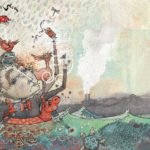
Belonging to Nature
Carnegie Museum of Natural History confronts the fragile interconnectedness of humans and nature.
Four Museums. One Membership.
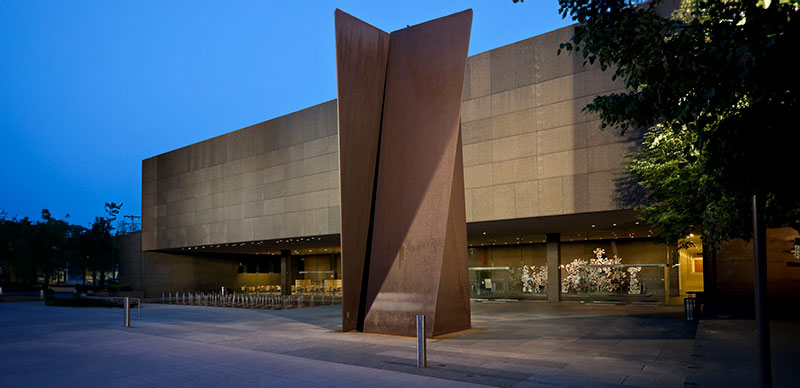
Carnegie Museum of Art
412-622-3131
4400 Forbes Avenue
Pittsburgh, PA 15213
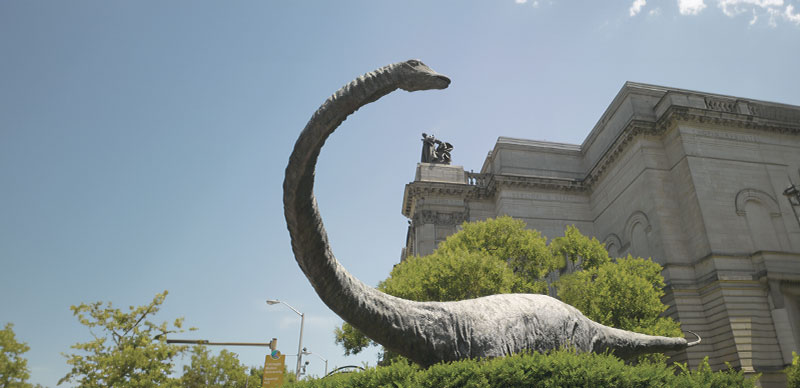
Carnegie Museum of Natural History
412-622-3131
4400 Forbes Avenue
Pittsburgh, PA 15213
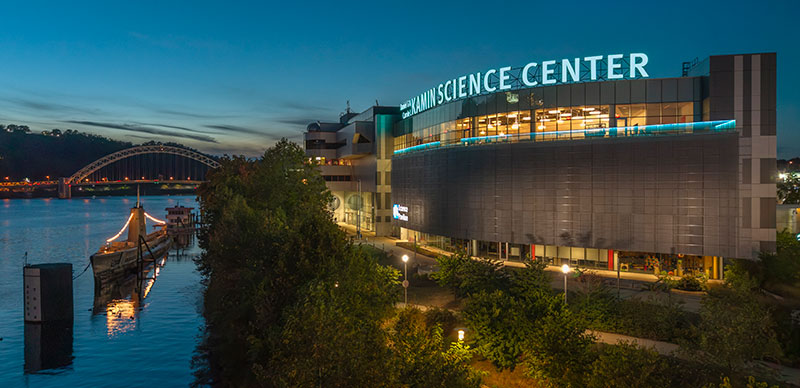
Kamin Science Center
412-237-3400
One Allegheny Avenue
Pittsburgh, PA 15212
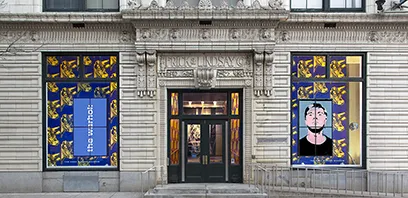
The Andy Warhol Museum
412-237-8300
117 Sandusky Street
Pittsburgh, PA 15212-5890

