Naomi Chambers finds profound meaning in the ordinariness of domestic life.
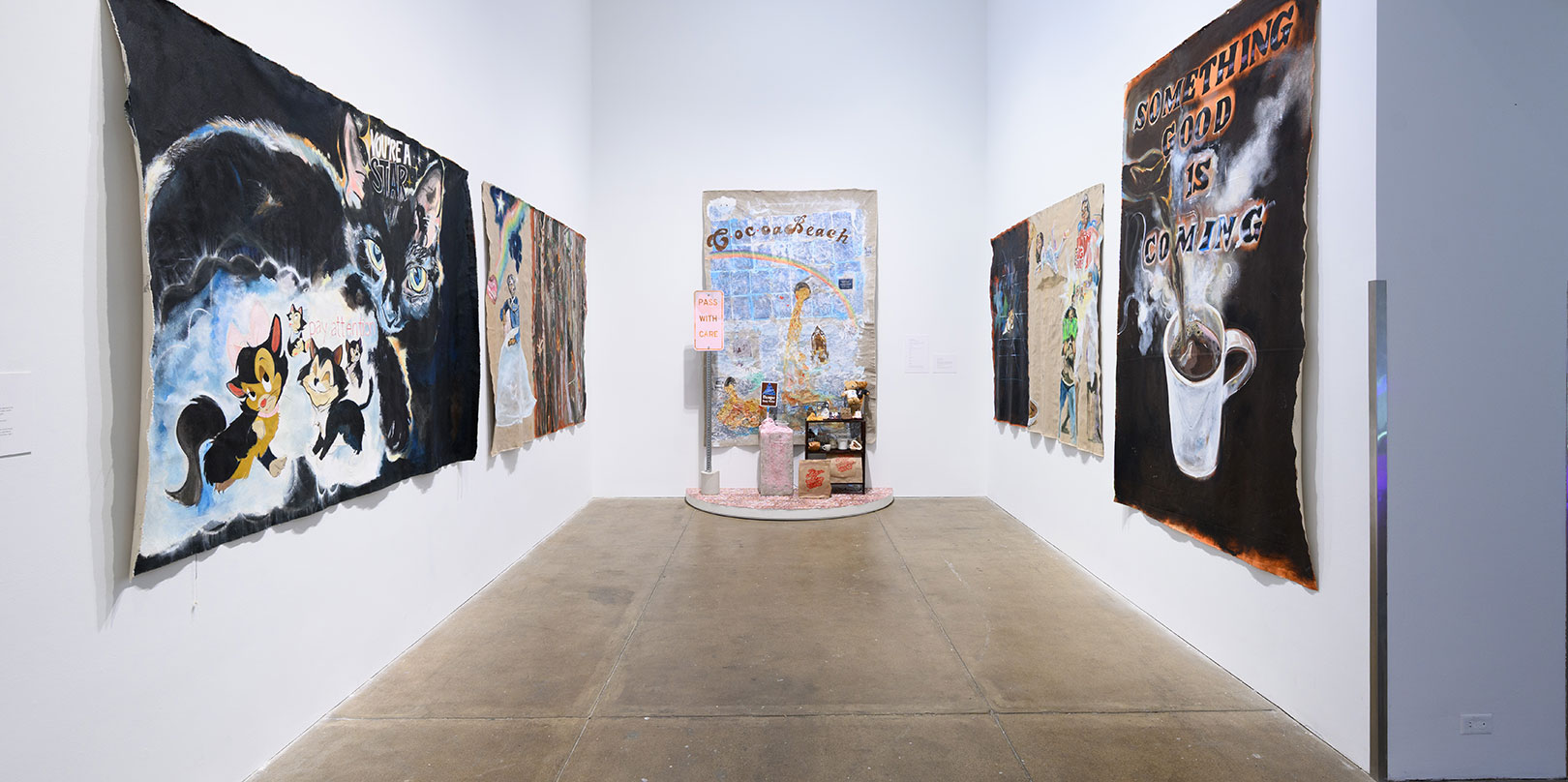
A picture of Harriet Tubman evokes the lives of her grandmother and enslaved peoples. A big cup of coffee represents a warm hug. Her wide-eyed black cat, Vegeta, represents a life-changing event.
“I never thought I’d own a cat,” says Chambers, who lives in Pittsburgh’s Hill District and grew up in Stanton Heights. “But when this cat came into my life, I realized I was a different person.”
These aspects of domestic life have become central to her art, represented in her vibrant oil paintings that she produced as part of her Master of Fine Arts program at Carnegie Mellon University’s School of Art. In a way, her affection for the prosaic and mundane connects her with another Pittsburgh artist and Carnegie Mellon alum—Andy Warhol, who graduated from CMU (then Carnegie Institute of Technology) in 1949 and has been an important influence in Chambers’ life and work.
“We are both native Pittsburghers, and the way that we see things and we feel things that are central to where we came from are similar,” Chambers says. “We find art in more mundane, everyday things.”
One example is Warhol’s famous Campbell’s soup cans, Chambers explains.
“Art connects me to other humans,” she says.
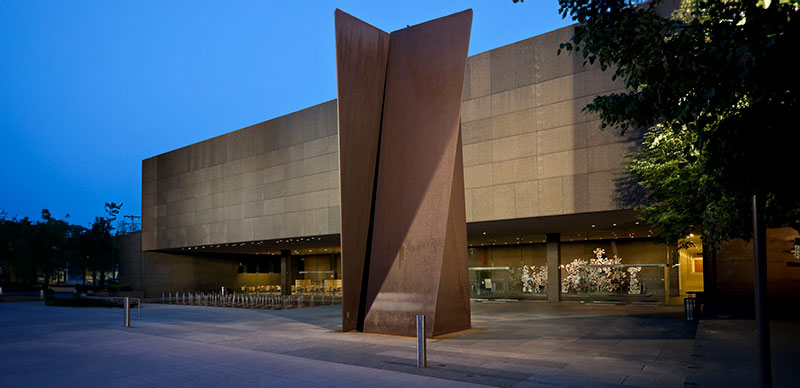
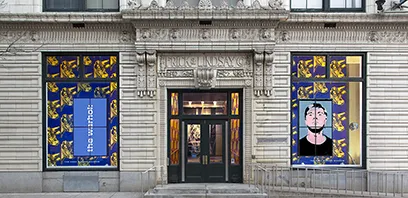
Chambers was reflecting on this connection in March at The Andy Warhol Museum, which hosted a special exhibition of work by Chambers and two of her classmates—Bulumko Mbete and Afrooz Partovi. Called Time-Honored Non-Specifics, the thesis exhibition for Carnegie Mellon’s MFA candidates, was the culmination of three years of artistic study and provides an important showcase for their work ahead of graduation. Now in its second year at The Warhol, the exhibition also wraps the artists into the legacy of one of the art school’s most influential alumni.
“The museum has always been interested in furthering that relationship with the university because that is where Warhol went to school,” says Mario Rossero, director of The Warhol. “Carnegie Mellon was the place Warhol was constantly growing and evolving.”
For Partovi, a trained architect from Tehran, the exhibition offered a chance to share her immersive digital media piece inspired by her childhood in Iran.
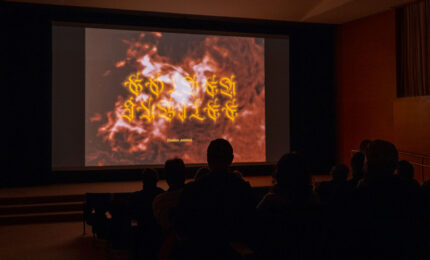
Using three panoramic video screens, Partovi’s installation examined Luna Park, a shuttered amusement park in Iran that was once a place of refuge for her during times of upheaval in the 1980s. It is a place of contrasts, she says, with the amusement park sharing a parking lot with an infamous prison.
“The museum has always been interested in furthering that relationship with the university. Carnegie Mellon was the place Warhol was constantly growing and evolving.”
Mario Rossero, director of The Warhol
Visitors to the exhibition donned headphones to listen to sounds from when the park was operational while watching vintage footage on the screens that contrasts with its current abandoned status.
“I wanted to reflect on these two contradictory experiences unfolding in the same place at the same time,” Partovi says, adding that her piece shares qualities with some of Warhol’s own works, particularly his films.
“Andy Warhol was a very experiential artist,” she says.
Mbete, who is originally from South Africa, incorporated ceramics, textiles, and beading to examine histories of trade, colonization, and enslaved labor practices. She created strings of dahlias made from clay and ceramic beads—five strands dangled from the ceiling, like a chandelier.
She also digitally printed textiles with images of family members and palm leaves, and embedded handmade beads stitched into dyed fabric. Her choice of raw materials reflects the craft traditions of her home country, says Mbete. Political conflict also is a theme in Mbete’s work. Her drawing of a memorial site in South Africa honored people who have fought in wars or struggles for liberation, including her grandmother.
“It’s an ode to that memorial of her life and the symbolism of her struggle,” Mbete says.
All three artists graduated in May. Partovi has been nominated for a faculty forward postdoc fellowship, and she’s considering applying to art residences, although her plans are uncertain because of the war in Iran.
Chambers says she is also seeking out artist residencies so she can continue to create art in the city she loves.
“The Warhol is very famously supportive of artists in general, and supporting the next crop of people who will be contributors to culture,” says Elizabeth Chodos, the public art curator for Carnegie Mellon. “It just really felt fitting to continue on from that legacy.”