As a child, JaNay Brown-Wood disliked reading. Looking back, she says, the problem was the books on her shelves didn’t have many Black female characters who reminded her of herself. But she always loved telling stories, and, years later, while earning multiple degrees in psychology, she began crafting books with an aim of reaching those kids who, like her, were underrepresented in children’s literature.
“Children need to see people that look like them doing amazing things as encouragement that they, too, can achieve,” Brown-Wood says.
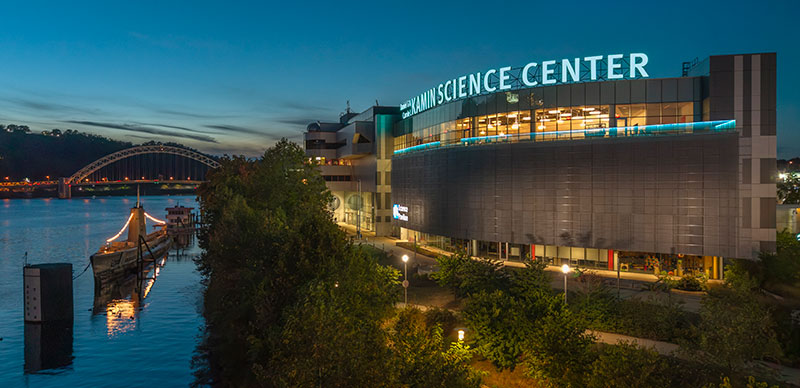
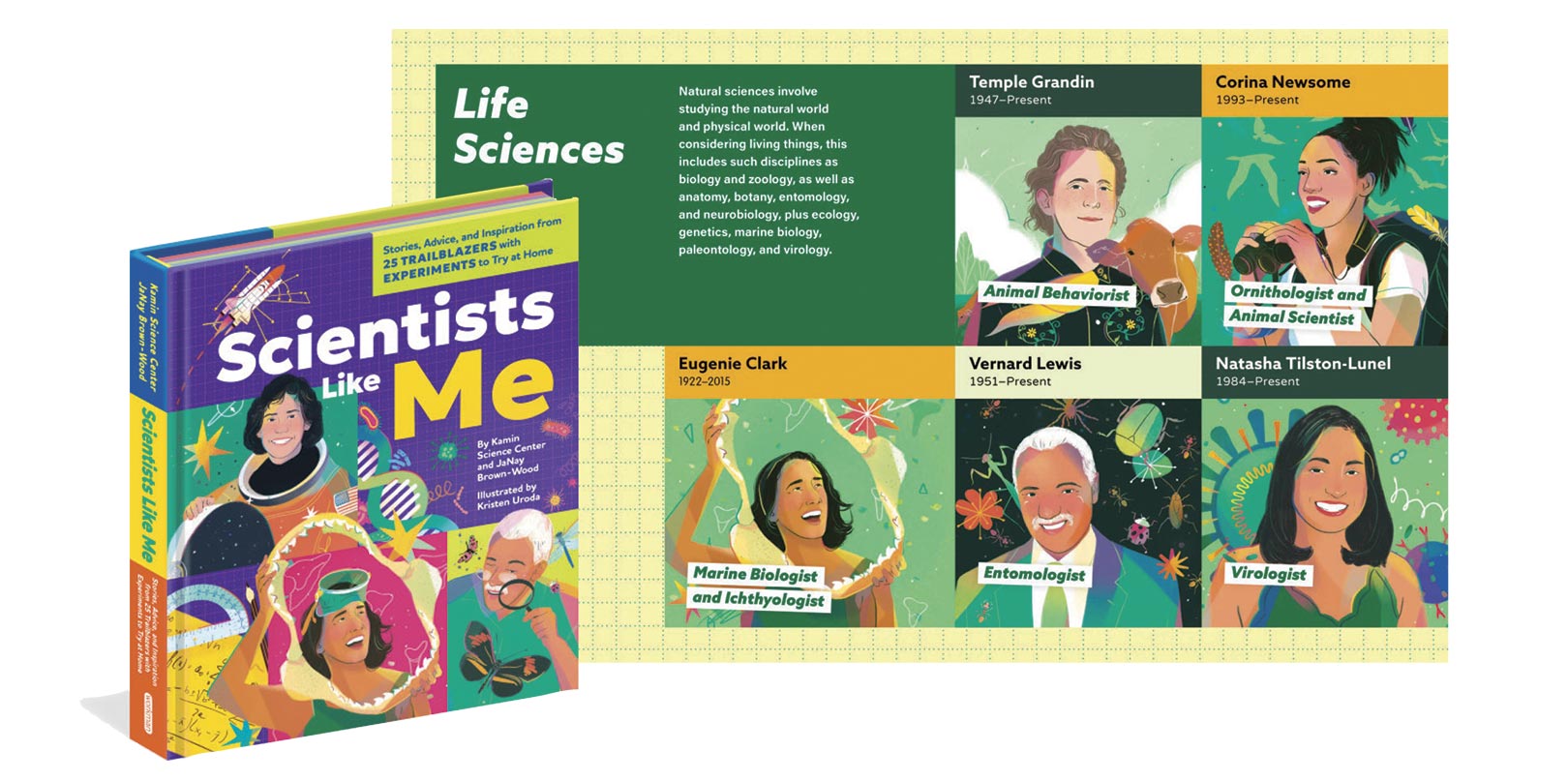
Today, Brown-Wood is an award-winning author whose latest book, Scientists Like Me, stemmed from a partnership with Kamin Science Center. The book features 25 profiles of famous scientists who come from diverse backgrounds and identities.
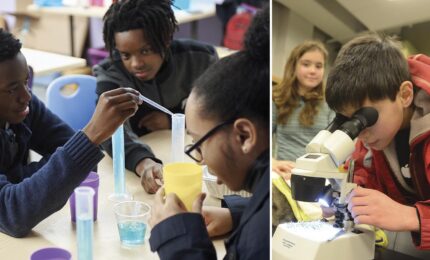
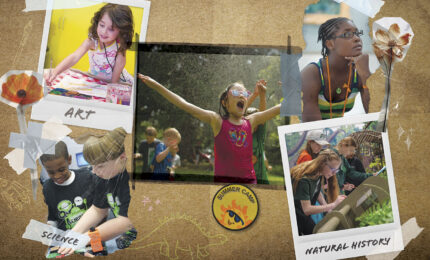
Each year, thousands of kids take part in Kamin Science Center’s STEM (science, technology, engineering and math) programs, including field trips and camps, competitions, and opportunities to meet professionals in STEM careers. Now, by creating its first-ever children’s book, the Science Center has found a new way to encourage kids in underrepresented groups to pursue STEM.
“We’re hoping that a book like this will help ignite the curiosity of kids who maybe don’t see themselves being STEM professionals in the future,” says Jason Brown, Henry Buhl, Jr., Director of the Science Center and vice president of Carnegie Museums. “They may not have a role model or someone in their life who practices in the STEM fields.”
Despite gains made in recent years, women and minorities remain statistically underrepresented in STEM jobs in the United States, according to a report by the National Science Foundation. Museums and other non-school-based educational institutions have a big role to play in closing the gap, with new research showing that participating in out-of-school STEM programs makes young people more likely to aspire to a career in STEM fields.
“Children need to see people that look like them doing amazing things as encouragement that they, too, can achieve.”
JaNay Brown-Wood, award-winning author
Scientists Like Me is aimed at readers aged 8 to 12 years old and features scientists that represent a broad range of careers and demographics. Some are world-famous figures: anthropologist and primatologist Jane Goodall; sociologist and civil rights leader W.E.B. Du Bois; and computer scientist and World War II hero Alan Turing. Others are promising young scientists who are still building their careers. All throughout, readers learn about an array of STEM trailblazers who have overcome challenges, including identity-based discrimination.
The idea for the book came from an identically titled program the Science Center launched in 2020, through which STEM professionals visited the museum to share their stories with middle school and high school students. Over dinner one evening, Brown’s wife, Gretchen, noted that the program’s name and theme would make for a great book. Brown agreed and, after developing a concept for the book, connected with a publisher who introduced him to Brown-Wood. Between her captivating writing style and the way they “clicked” during an introductory conversation, Brown says he was sure it was going to be a fruitful partnership.
“Her writing is perfectly suited for the age group we were targeting,” Brown says. “Her language—it’s so inclusive and encouraging.”
In the book, the encouragement begins immediately. “Have you ever wondered why you’re always asking … why?” the narrator asks on the opening page. “It’s because you are a wonderer. You are a questioner. You are someone interested in the world around you … YOU have SCIENTIST written all over you.”
The book’s subject matter was something of a departure for Brown-Wood. Most of her work to this point has been fiction, including her first book, Imani’s Moon, which won the NAESP Children’s Book of the Year Award and was featured on The Late Show With Stephen Colbert. But she says she was thrilled at the chance to get kids excited about science while highlighting diverse representation.
As part of her research, Brown-Wood interviewed most of the scientists in the book. She spoke with astronaut Ellen Ochoa, surgeon Nadine Caron, and virologist Natasha Tilston-Lunel. She also interviewed Temple Grandin, a well-known animal behaviorist who spoke about having autism and viewing it as an asset.
“I really wanted to make it so that any kid could at least find some aspect of themselves in the scientists captured,” Brown-Wood says.
One of her favorite conversations was with Alison Gopnik, a developmental cognitive psychologist who has advanced understanding of children’s capabilities through her research and bestselling books. At the end of the profile on Gopnik, a reflection question asks readers if they know about the genius of children—the idea, backed by research, that children are often better than adults at solving problems with unusual solutions.
“That’s also how I feel,” Brown-Wood says. “I feel society undervalues children and their capacities.”
This idea also resonates with Brown at the Science Center, where he sees children’s genius on display every day.
“It really takes a young mind to identify problems that adults just look past, simply because they’ve been part of our lives for so long,” Brown says. “We want to give kids the opportunity to explore their own genius that they may not know even exists.”
Copies of Scientists Like Me are available on-site at Kamin Science Center’s XPLOR Store, online at stores.carnegiemuseums.org, or on Amazon.