Who:
Steve Belle
What He supports:
STEM education
Why it matters:
“Science and mathematics improve the lives of everyone, not just the practitioner.”
Steve Belle has spent his half-century career applying biostatistics—analyzing, reporting, and presenting mathematical data to better understand and improve public health.
He retired last December as a University of Pittsburgh epidemiology professor, so you might think he’d be ready for a break from poring over numbers. But even after decades of assembling and studying health data, his passion for math and science is evergreen.
“I used to live in the mathematics and science room, on the top floor of the library!” he jokes. “My love of science and math started at a young age, and it went on to influence the rest of my life.”
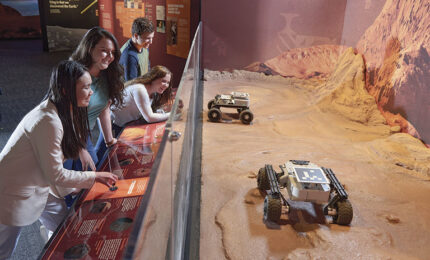
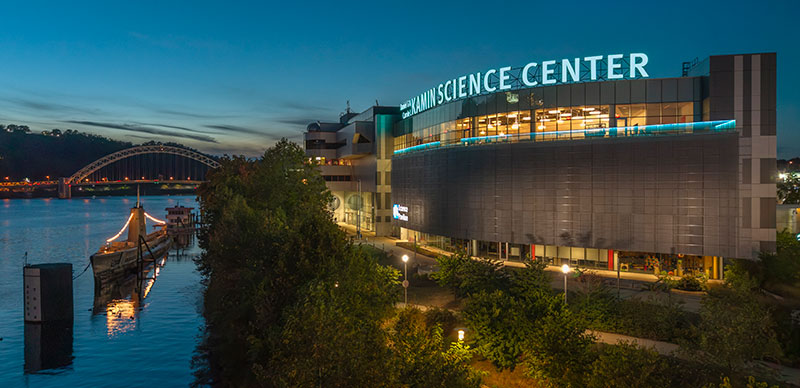
Today, as a Carnegie Museums donor, Belle is eager to share his life’s passion with others. He works directly with museum leaders to identify new opportunities to foster learning in science, technology, engineering, and mathematics, or STEM. He established the Steven H. Belle Science Fund to support scientific research at Carnegie Museum of Natural History and Powdermill Nature Reserve, and is working with Kamin Science Center to design a “math program table” at the museum.
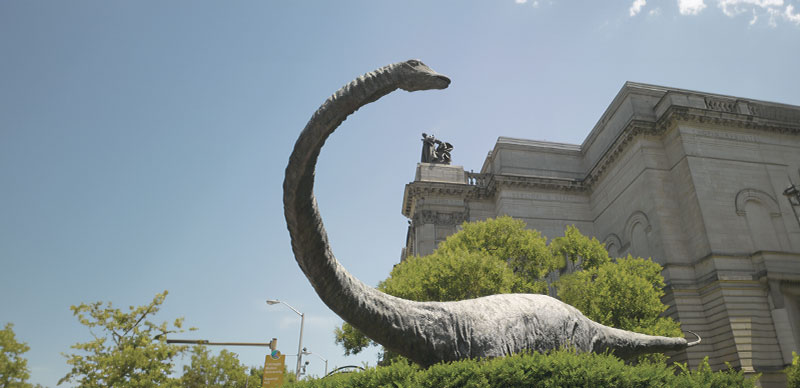
Growing up in Squirrel Hill, Belle often rode his bike to Carnegie Museum of Natural History, and his family made excursions to Buhl Planetarium on the North Side. He speaks fondly of those early experiences, recounting a childhood of building telescopes and visiting the Hall of Dinosaurs—a “magical place.”
A critical lesson that stayed with him is that math and science can be fun. He recalls activities at the Buhl like stepping on a scale that showed a person’s weight on different planets, and a stationary bicycle that, when ridden, would power a light bulb. This fun way of learning inspired him to pursue his own projects at home.
“I actually built my own telescope,” he recalls.
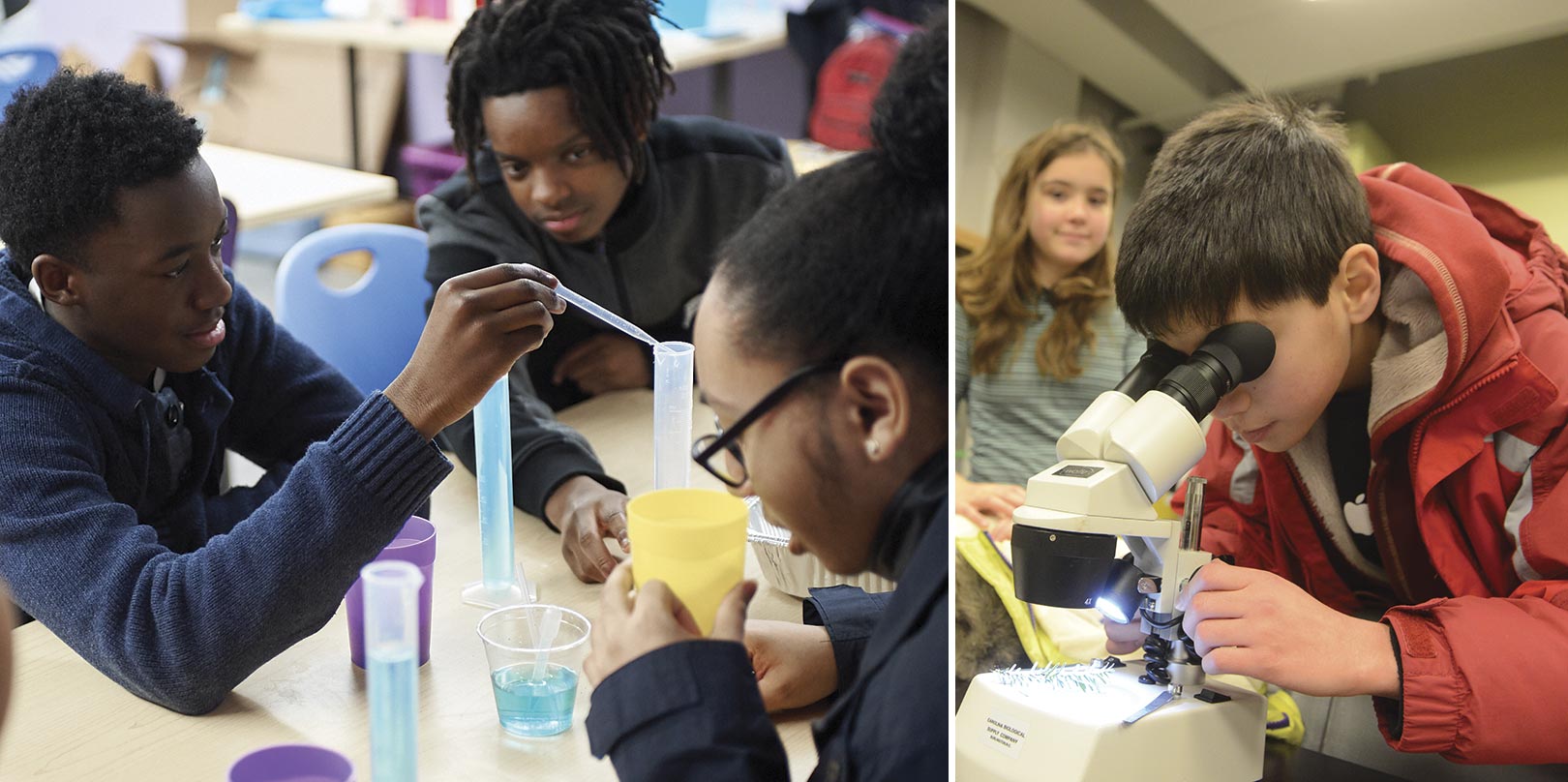
Belle appreciates how out-of-school learning environments foster children’s curiosity. In a traditional classroom, children can quickly be “turned off” to mathematics for a number of reasons. Some can perceive the lesson as too difficult or too boring, he notes, while others may fail to connect the content with real life, rendering it irrelevant. It can be difficult to cater to every student’s skill level, interests, and other needs within one short lesson or unit. Museums offer a more flexible learning environment than traditional schools, bringing STEM concepts to a wider audience, according to a recent study from Harvard University.
“I’ve always loved mathematics, and I realized there are children out there who could feel the same if exposed to the study the right way,” Belle says. “Whether it’s issues with funding or interest, that’s what I’d like to be able to do.”
Belle’s interest in mathematics led to a long career contributing to biostatistics and biomedical research. Not only did he work in the field he’s passionate about, but it allowed him to do good, too, through medical research. He hopes his contributions to the scientific research programs at the Museum of Natural History, Powdermill, and the Science Center can inspire future STEM scholars.
“Science and mathematics improve the lives of everyone, not just the practitioner,” he concludes. “If you can make yourself happy while helping others and making them happy, too, what’s better than that?”