“There’s No Planet B,” reads the bold black lettering across a hand-pulled screenprinted poster, with an image of melting clocks spilling over the curve of a disintegrating Earth—a visual metaphor for vanishing time.
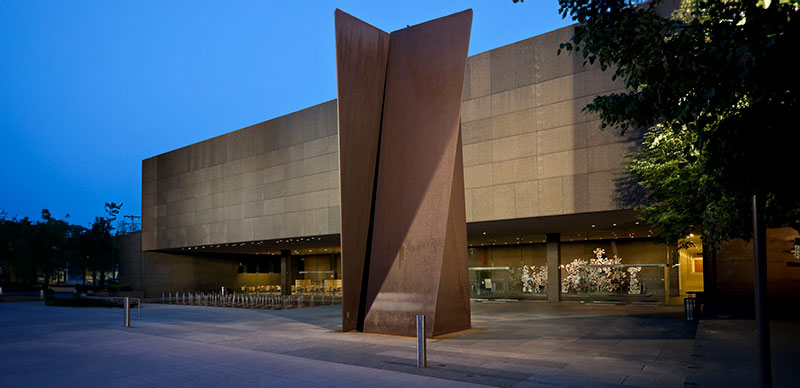
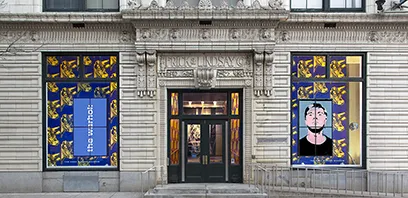
Its maker, a local teen, created the poster during a youth-focused screenprinting program held inside The Pop District Print Lounge, a creative space across the street from The Andy Warhol Museum.
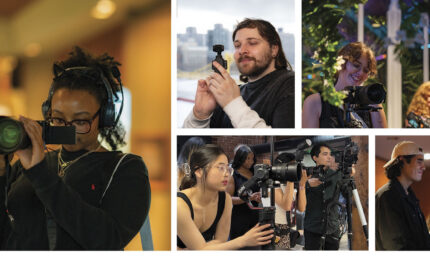
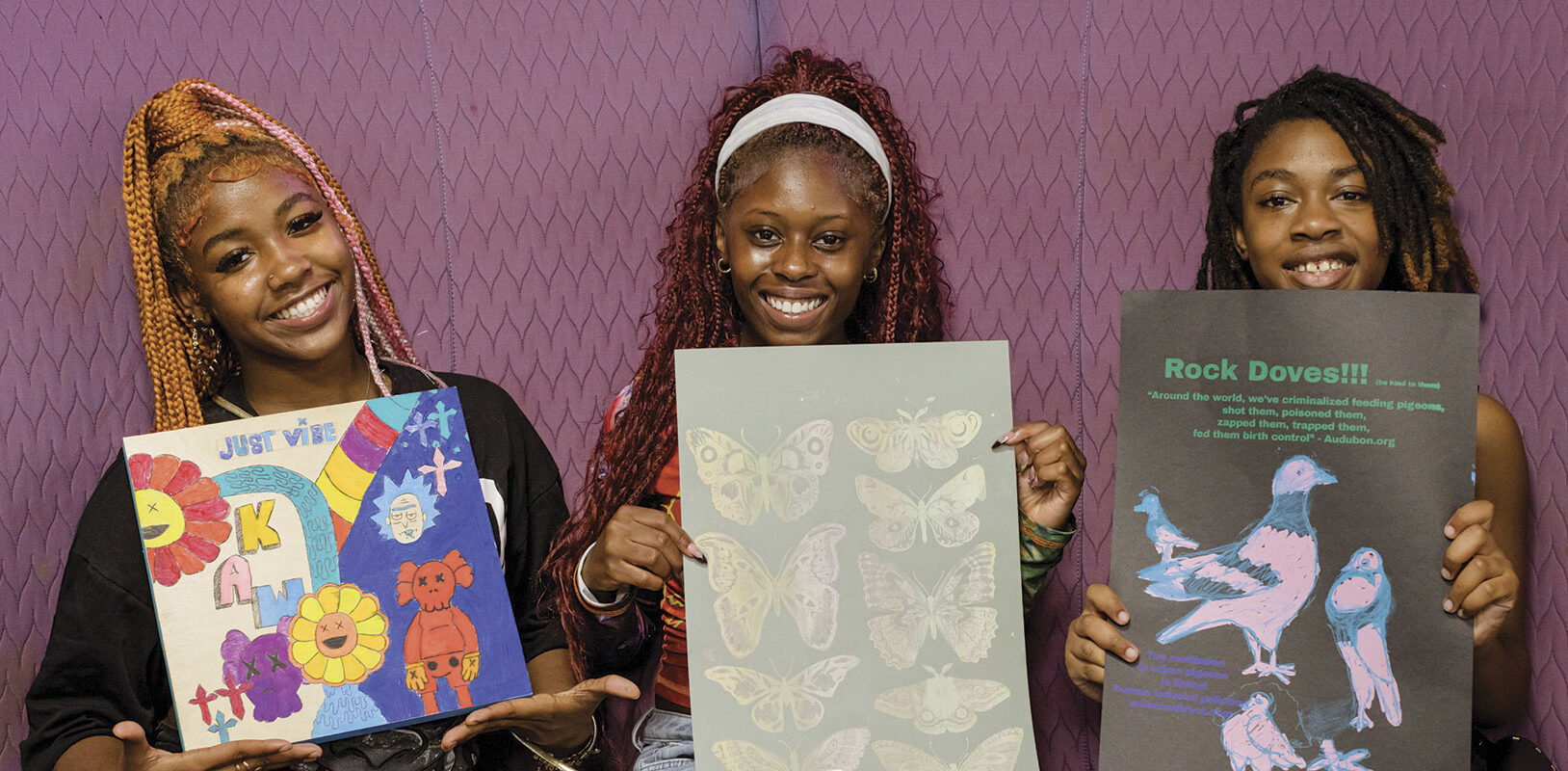
Meanwhile, other teens bounce around the sunlit room as they realize their own artistic visions. They move swiftly around ink-stained tables carrying their designs as they coat screens with light-sensitive emulsion, burn designs into mesh, then rinse and prep them for printing. Each screen becomes a conduit for something bigger: a poster, a protest, a message printed on a tote bag.
This is Power Up in action. When The Warhol’s silkscreen-printing course wrapped in July, RUST (Radical Urban Silkscreen Team) carried on the momentum. They are complementary programs that together form a monthlong continuum of creativity, activism, and skill-building.
Some of the teen participants’ designs may lead to commercial opportunities, but that’s not the point of the program. Rather, the goal is simply to empower local youth to use silkscreen printing not just as a craft but also as a tool for communication.
“Print is a great tool for self-expression,” says Heather White, director of learning at The Warhol. “The teens learn that their voice matters. It’s both tactile and powerful.”
A 2012 National Endowment for the Arts study found that teenagers with sustained arts involvement, especially those from low-income communities, consistently show higher academic performance, deeper civic engagement, and stronger motivation than their peers.
“Print is a great tool for self-expression. The teens learn that their voice matters. It’s both tactile and powerful.”
Heather White, director of learning at The Warhol
While Warhol eventually embraced digital tools, print still holds power, especially for teens. Silkscreening doesn’t require advanced drawing skills or digital fluency, making it an accessible entry point for young artists of all backgrounds. “Teens can create something bold and successful right away. That immediate payoff builds confidence,” says White.
The final print may hang on a wall, but the real work happens in how they think and create. Mixing ink, aligning screens, and refining designs, teens learn to problem-solve, think critically, and communicate visually, White notes.
RUST launched in 2008 and Power Up followed in 2010. Early versions ran out of pop-up storefronts, where teens teamed with groups like Just Harvest and Bike Pittsburgh on prints about food justice, transit, and health care.
Co-founder and artist-educator Mary Tremonte brought deep activist and nonprofit ties. Teens created two-color block prints that became sticker campaigns across the city, spotlighting issues like juvenile life without parole. “It was powerful for teens to see their designs out in the world,” she says.
The themes of these teen-created projects also come straight from them, rather than prescribed topics. Recent themes include racial justice, reproductive rights, housing, and public health.
As part of The Pop District, a community development initiative started by The Warhol in 2022, these programs also help build creative workforce pathways for Pittsburgh youth. “The Pop District gave us resources and visibility to bring them back stronger,” White says.
Past participant Makenzie Sing says the program has redefined artmaking for her–—from a solitary act to a powerful, collective process.
That collective spirit was present in the room one afternoon in early July. Five teens huddled together over a sketchbook, drawing and trading ideas in rapid bursts. Another pair debated color choices at the print station.
Power Up and RUST participants present their work at The Warhol’s Good Fridays: Silver Street Series and Youth Art Openings, where students can sell their prints. These events give participants exposure, income, and real-world experience.
Many alumni return as mentors, embodying the programs’ full-circle spirit.
Carrie McGinnis, a member of the first Power Up cohort and founder of the natural skincare brand Butter Queen, now leads workshops where teens craft whipped body butters from natural ingredients. During summer field trips to her community garden, they create collective art by painting benches and murals, an experience that fosters creativity and community connection.
Grayce Ransom, who joined The Warhol in 2019 as a teen assistant and now serves as an artist educator, reflects on how teens transform everyday experiences into meaningful art. “One person might be watching Love Island and spark a conversation about feminism. They process the world through their work.”
In a museum that celebrates pop, protest, and print, these programs continue that legacy in the most immediate way possible: by placing the tools of expression into the hands of youth.
“Teens intrinsically are already passionate and thinking critically,” says Tremonte. “These programs create space and give them the tools to amplify that.”