WHO:
Peter and Joan Stephans
WHAT THEY SUPPORT:
Educational programming
WHY IT MATTERS:
“We’ve been very blessed in our lives, and we feel that it’s important to share those blessings with the next generations.” –Joan Stephans
At the base of Carnegie Museum of Art’s Grand Staircase is a plaque that implores visitors to “Dream Big.”
It’s a new addition to the museum’s historic, mural-lined entryway—an iconic feature of Andrew Carnegie’s great gift to Pittsburgh. It’s fitting advice to visitors as they ascend the steps to experience some of the world’s great masterpieces.
The plaque was added last fall in recognition of a $5 million gift from the Rossin Foundation and the Stephans Foundation, headed by Peter and Joan Stephans, longtime philanthropists in Pittsburgh who are among the most significant early contributors to Carnegie Museums’ comprehensive campaign, the first in over 20 years.
Imploring visitors to dream big as they reach the top of the staircase echoes advice that Peter is fond of offering to parents and mentors of young children.
“The best thing you can do for your children is take them to a high spot, the top of the tree or a mountain, and show them the world,” Peter says.
The Stephans have financially supported cultural and educational institutions around the region for decades, both individually and through the philanthropic foundation they lead, the Rossin Foundation. They helped kick-start the ALL TOGETHER campaign, which Carnegie Museums launched to the public in May.
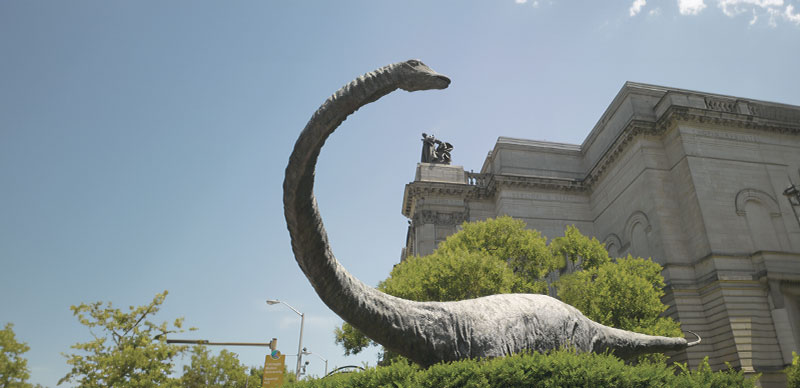
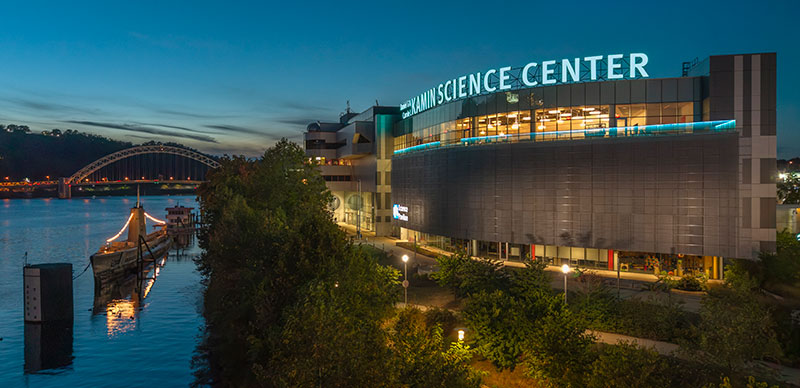
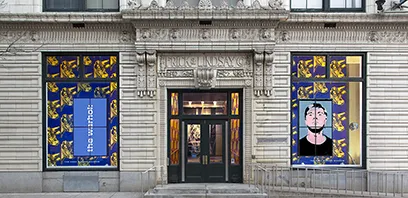
The fundraising initiative spans all four museums—Carnegie Museums of Art and Natural History, The Andy Warhol Museum, and Kamin Science Center. It will support museum operations, exhibitions and educational programming, new visitor experiences, and collaborations and strategic partnerships that amplify their reach on the local, national, and global stages.
The Stephans’ gift established an endowment to support innovative educational programming across the four Carnegie Museums.
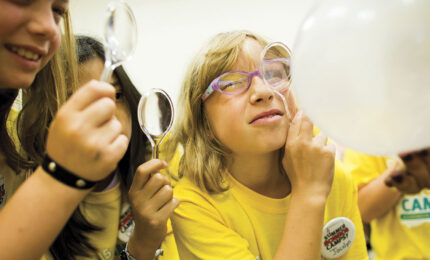
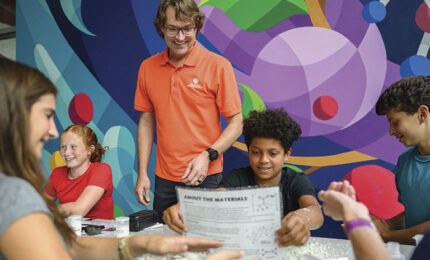
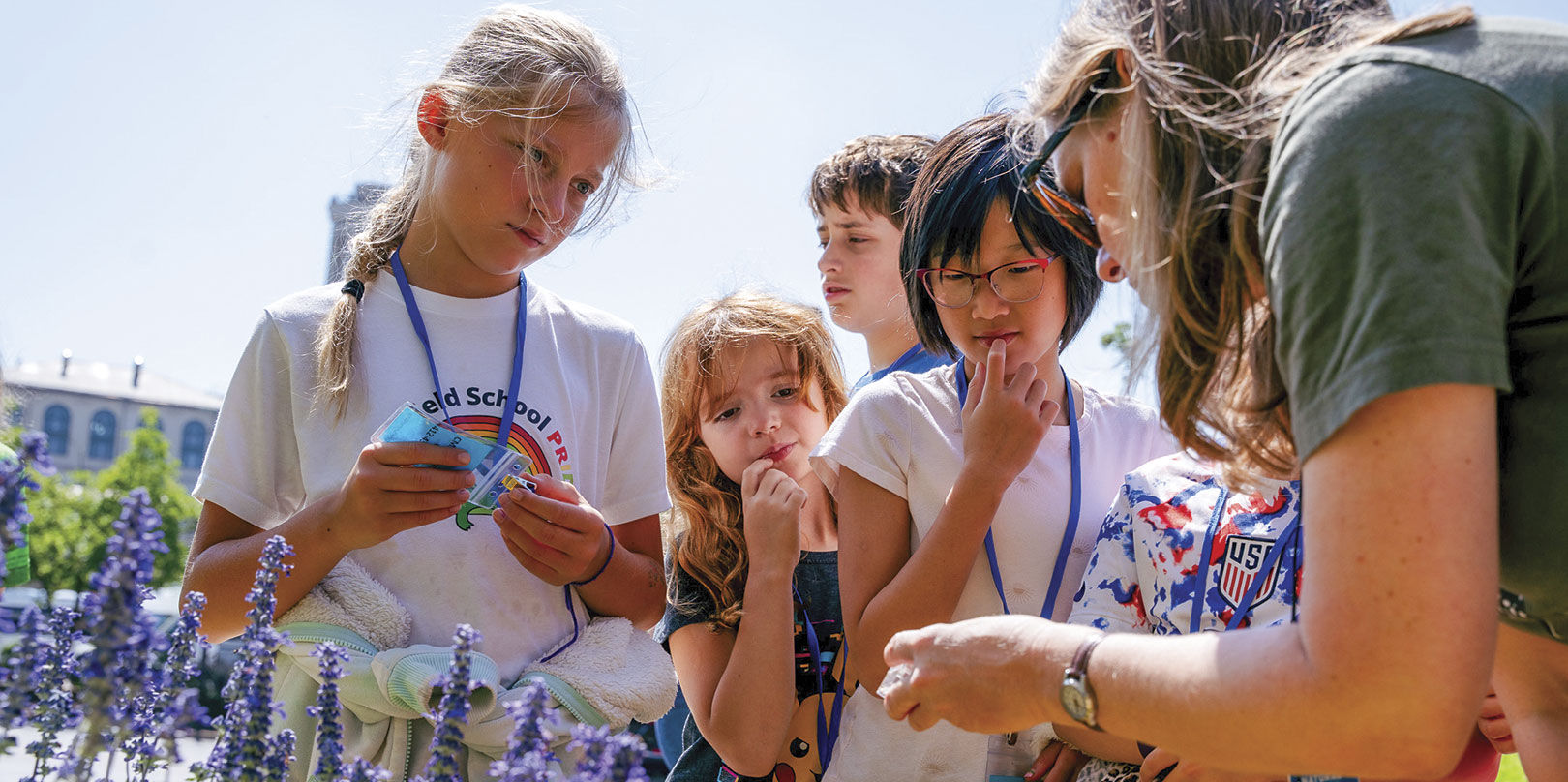
“I think we have a tremendous outreach program, and I love the fact that not only are we bringing people in the doors of the museum, but we’re reaching out and we’re going to the schools,” Joan says. “I think it’s an opportunity to expand on what’s available to the teachers in our schools, what’s available to families, and to supplement the education that they’re getting elsewhere.” Carnegie Museums reaches more than 200,000 schoolchildren a year through on-site and in-school programs.
A native of Upper St. Clair, Joan has enjoyed the museums throughout her life, from elementary school through adulthood. As a Girl Scout leader and math teacher at Upper St. Clair High School, she led field trips to the museums and encouraged young people to open their minds to all they had to offer. Now, she’s helping shape the museums’ future as a Carnegie Museums trustee.
“We’ve been very blessed in our lives, and we feel that it’s important to share those blessings with the next generations,” says Joan, whose parents founded the Rossin Foundation. “I hope that the museums remain strong. It is important to the community, and I think it helps Pittsburgh remain strong.”
Although he didn’t grow up here, Peter says it was the museums that convinced him Pittsburgh was a city where he wanted to live. When he visited back in 1971, western Pennsylvania was still a place where the air was choked by smog and soot billowing from smokestacks, and he wasn’t sure he wanted to stay. But after recognizing Pittsburgh’s rich cultural resources—and spurred by Joan—he committed to building his life and career in Pittsburgh as an engineer and executive at Dynamet, the titanium products maker that Joan’s father, Peter Rossin, founded in 1967.
In a time when digital technology and artificial intelligence make finding information easy, museums provide a richer educational opportunity through tangible engagement with the humanities, Peter says.
“If you look at the generation today looking at the computer screens, typing, and asking artificial intelligence, I think there is more to life than that,” Peter says. “When AI tells them something about Andrew Carnegie or one of the painters, they should be able to say, ‘I’ve seen that picture in person.’”
Adds Joan: “There’s nothing like actually experiencing the museums and the programs that they have to offer in person. The museums are a natural stepping stone shaping the society in western Pennsylvania. Inspiring current and future generations is so important.”
Learn more about how you can support your museums through the ALL TOGETHER campaign.