The video reel opens on a bartender, Herminio Ramirez, as he slides a platter of cod ceviche tostadas to his “customer,” Dahlia Saenz. She raises a watermelon basil margarita toward the camera before the reel cuts between sizzling fajitas, warm tortillas, and playful exchanges in Spanish and English. Along the way, they talk about Cinco de Mayo while showcasing Mexican holiday specials.
The finished video lasts less than a minute. Creating it took weeks of research, creative strategy, filming, and editing.
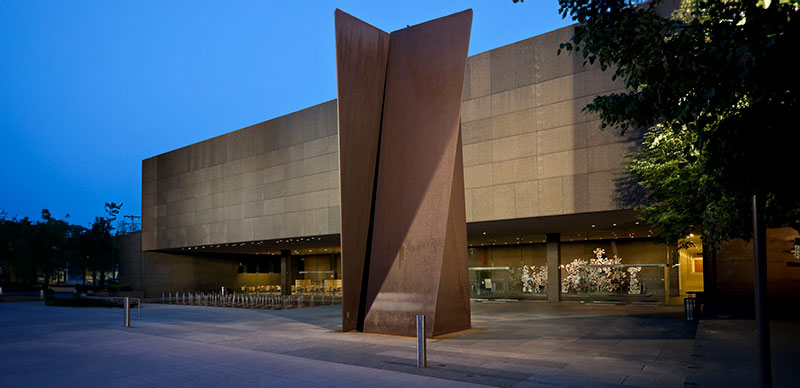
It became the centerpiece of Saenz’s capstone project for The Warhol Academy’s Digital Content Creation Fellowship, one of two paid fellowship tracks offered each spring and fall through The Andy Warhol Museum’s Pop District initiative. The digital content fellowship trains emerging marketers, storytellers, and content creators to develop strategic campaigns and social media for real-world clients, while the filmmaking fellowship immerses aspiring directors and documentarians in collaborative film production.
Saenz created the video reel as an online marketing campaign for Camino, the Shadyside restaurant where she worked as a hostess and a server after moving to Pittsburgh from Texas for college. Rather than inventing a hypothetical client, she built it for a place—and people—she already knew.
Over four months this spring, she joined 15 other fellows—eight in digital content creation and eight in filmmaking—who each received a $3,000 stipend, mentorship from working creative professionals, access to The Pop District’s studios and equipment, and the opportunity to produce portfolio-ready work.
 Photo: Camila Casas
Kristin Hanne, director of adult workforce development programming at the Academy, calls the fellowships “inherently Warholian,” designed around embracing the curiosity that defined Andy Warhol himself. Warhol’s career was built on experimentation and collaboration across disciplines, she notes.
“A lot of industries can be rigid—this is the way, this is how you climb the ladder, and that’s the only option,” Hanne says. “But creative work isn’t just about finding the right path. It’s about having the curiosity to make one.”
A Process
As Saenz refined her presentation with digital fellowship coordinator Erin Davis and other fellows, she decided to make the same presentation to her employer. She polished the presentation with the help of her mother, translated it into Spanish, and pitched the same ideas to the owners of Camino, part of the Mas Taco restaurant group.
Hanne recalls the presentation. “She was pitching it to us, but she was also pitching it to them,” Hanne says. “She basically said, ‘I think I can do this, and here’s why.’ She showed them what she could do.”
By the time the fellowship ended, Saenz had been hired to oversee marketing and social media for all four Mas Taco restaurants.
Davis says the promotion wasn’t the result of a lucky break. “Dahlia came in very creative and ready to learn,” she notes. “What she really learned was how to structure that creativity so she could execute her vision with clarity and high-quality tactics.”
That progression—from creativity to professional practice—is one Hanne says The Warhol Academy hopes to see again and again. The goal isn’t simply to teach emerging creatives how to use cameras or edit videos, she explains, but to give them the experience and confidence to turn creative ambition into sustainable work.
The Academy provides a pathway for people who might think a career in filmmaking or digital content creation is closed to them. Hanne says she isn’t necessarily looking for straight-A film students, but rather curious people with enough technical know-how to grow together.
“There isn’t one way to learn, and there isn’t one way to work,” Hanne says. “This is for anyone who wants to be involved in the arts and is inspired by everything the museum provides.”
 Photo: Camila Casas
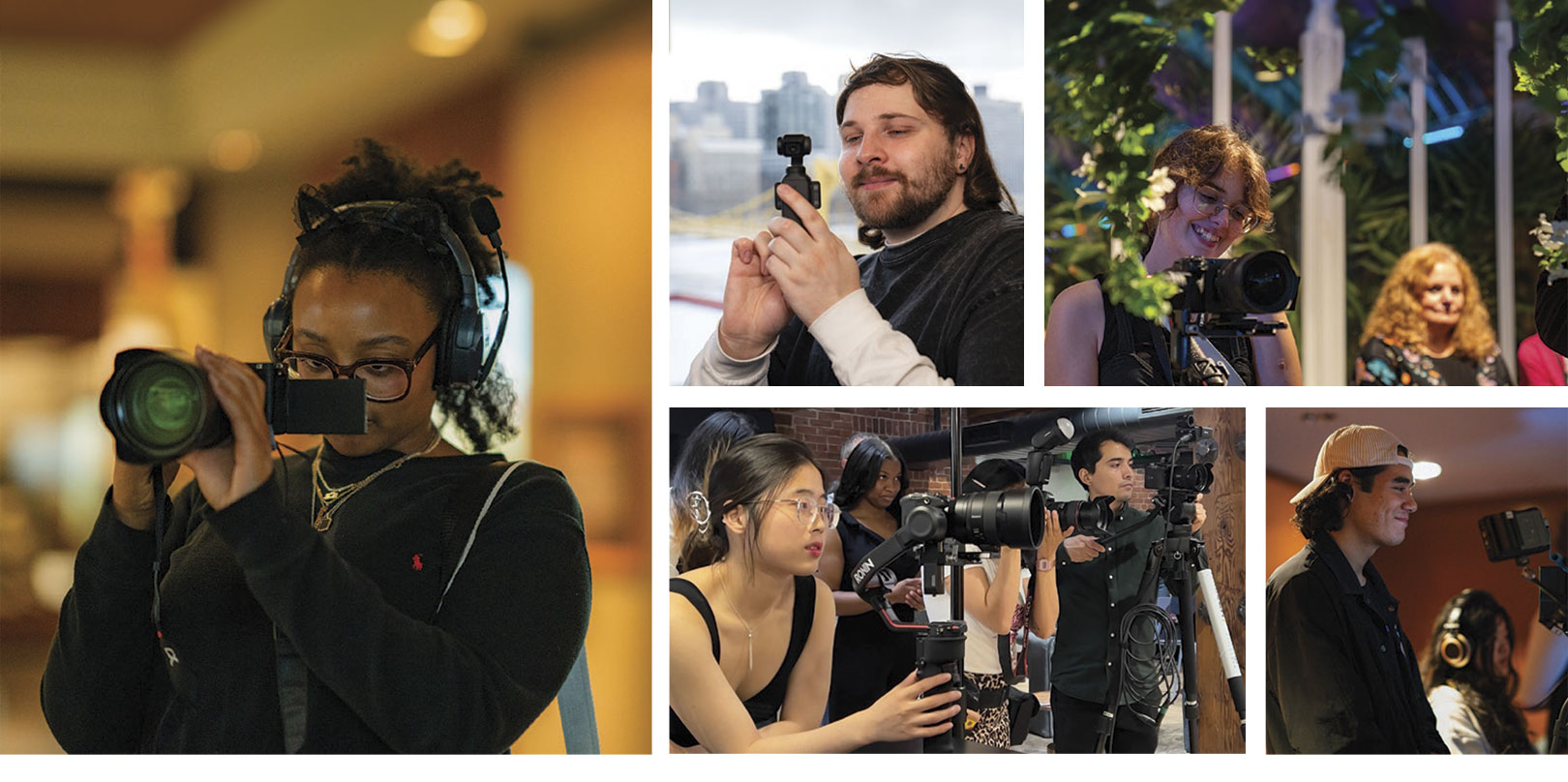
The cohorts mix filmmakers, photographers, marketers, actors, and self-taught creators. Applicants complete portfolio reviews, technical interviews, and in-person conversations before joining the program. Before classes begin, they sharpen their Adobe Premiere skills, get comfortable with the museum’s equipment, and gain access to professional gear, studio space, flexible lab hours, and, when needed, transportation assistance.
Davis, who previously worked at the National Institutes of Health, brings an operational mindset to digital storytelling. Before diving into content creation, she asked the fellows “to explain exactly what they’re making, who it’s for, and why it matters.” From the first week, fellows pitched concepts to one another, defended their creative choices, identified weaknesses, and revised their plans before production began.
“They are expected to show up prepared to explain how they will execute before they ever pick up a camera or write a script,” Davis says. “The biggest change is always an increase in operational confidence. Most people struggle to make content because their process is chaotic.” So she emphasizes the importance of preproduction planning, arguing that careful preparation allows creators to focus on stronger visuals, cleaner audio, and more intentional storytelling once production begins.
By the end of the fellowship, projects that once took participants weeks to complete can often be produced in a day. Just as important, fellows leave with stronger soft skills—confidence, public speaking, and the ability to pitch ideas to clients or employers.
Saenz recognized that shift in her own work. “I knew how to make something visually interesting,” she says. “I wanted to understand how to make something effective, and see the bigger picture—the strategy behind digital storytelling, the metrics behind advertising, and how creative work can genuinely help a business or organization.”
Collaboration
While digital content creators learned to think strategically, filmmakers learned to think collectively.
“It takes a village to make a film,” says Dan Finegold, filmmaking fellowship coordinator. “People watch a movie and think about the director, but filmmaking is one of the most collaborative art forms there is.”
A Pittsburgh native, Finegold spent more than a decade making documentaries, commercial films, and branded content before joining The Warhol Academy. For him, the fellowship is also a way to restore part of Pittsburgh’s filmmaking ecosystem. Finegold credits the now-defunct Pittsburgh Filmmakers with giving generations of artists a place to learn, borrow equipment, and build creative relationships. “The Academy isn’t exactly the same, and it’s not as large,” he says, “but it fills some of that void that Pittsburgh lost.”
That philosophy shapes the fellowship from the first week. Wednesdays focus on filmmaking fundamentals—camera systems, lighting, sound, and storytelling—while Fridays function as working labs, where fellows edit projects, borrow equipment, collaborate on productions, and learn from visiting producers, cinematographers, production designers, and other industry professionals.
“There isn’t one way to learn, and there isn’t one way to work. This is for anyone who wants to be involved in the arts and is inspired by everything the museum provides.”
Kristin Hanne, director of adult workforce development programming, The Warhol Academy
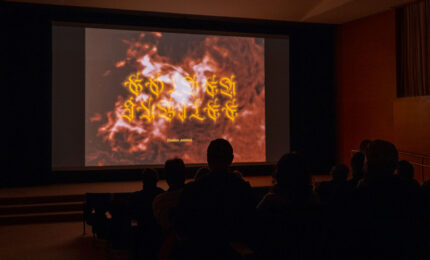
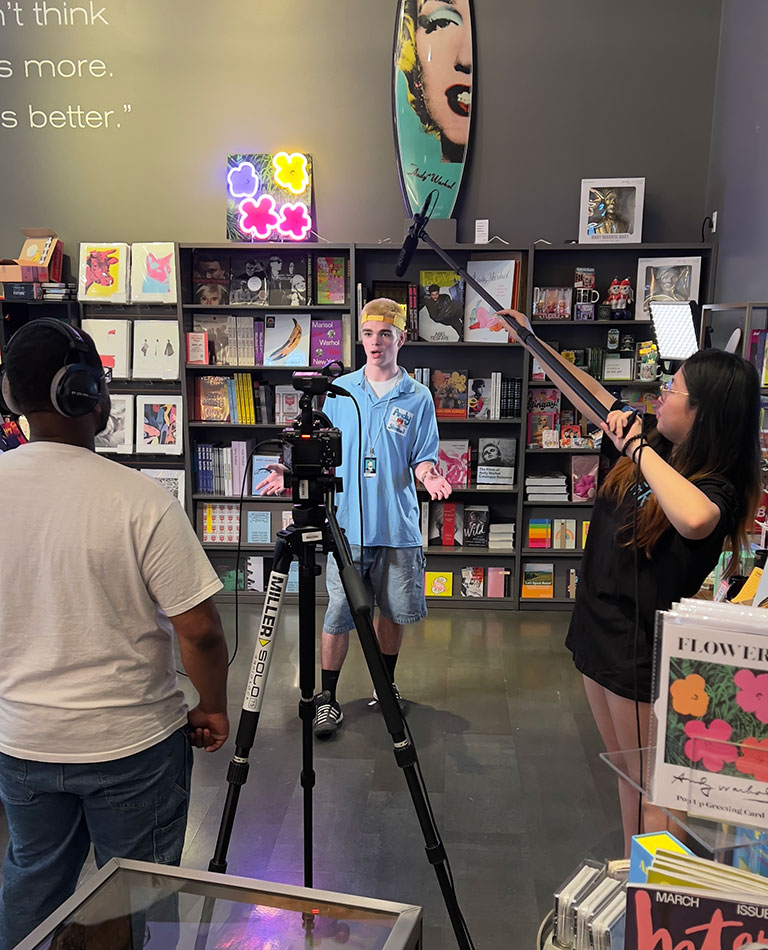
Before anyone directs a film of their own, the cohort makes one together. This spring, the filmmaking fellows profiled McKeesport glass artist Jaime Guerrero. Rather than assigning fixed roles, Finegold asked each fellow what they wanted to learn. Some operated cameras, others recorded sound, managed lighting, assisted production, or edited. As they progressed, those responsibilities rotated, giving every fellow experience across a professional film set before they led a project of their own.
Only then did fellows begin their individual work: first a short documentary about another fellow, then a 7-minute personal film. There are few creative restrictions. “I call it film camp,” Finegold says. “I’m not going to tell you what to make. You can make anything you want. I’m here to support you and help you make it as good as it can possibly be.”
No two films in the final showcase looked alike, Finegold notes.
Reilly McKay joined the program hoping to turn his passion for narrative filmmaking into a career. His film began as a public service announcement about a missing Girl Scout before veering into absurdist horror-comedy.
McKay expected to leave a stronger writer and director. Instead, he discovered that “filmmaking begins long before anyone calls ‘action.’” Storyboards, shot lists, and production schedules became just as critical as the shoot itself, while rotating through camera, sound, lighting, and production roles revealed how every decision depends on careful preparation.
“I think filmmaking is kind of like a magic trick,” McKay says. “You’re seeing the finished illusion. But if you pull back the curtain, like in The Wizard of Oz, you suddenly see all the gears and moving parts that make everything work.”
By the time he directed his own production—with a large cast, multiple locations, and a full crew—Finegold says McKay had grown into the role of a filmmaker responsible not only for the story but also for guiding the people bringing it to life.
“From the moment Reilly pitched the idea for the film he ultimately delivered, he stayed true to that original vision,” Finegold says. “You could feel that growth on set. Watching everyone collaborate together really showed the kind of leader Reilly had become.”
The Community
Gabriella Valdivieso was a budding filmmaker when she moved to Pittsburgh from Vermont a year ago, but she knew almost no one in the city’s arts scene. She hoped The Warhol Academy fellowship would help hone her skills while building creative connections.
“I was thrilled when I got accepted,” she says, “because it immediately felt like such a unique opportunity.”
For her documentary, Valdivieso turned to Pittsburgh’s drag community. Growing up queer, she’d long admired drag through live performances and documentaries such as Paris Is Burning, but wanted to tell a story rooted in her adopted city.
“What really struck me was how much variety there was,” she says. “There’s no single way to do drag in Pittsburgh.”
She was especially drawn to performers who embraced comedy and what they affectionately called “bad drag”—not poor performance, but an intentionally welcoming style that makes space for newcomers without elaborate costumes or large budgets.
That spirit carried into the production itself. Most of the short documentary was filmed over two nights in a crowded bar with a single camera. “You still have to figure out how to make everything work within the realities of production,” she says.
Finegold watched her confidence grow as the program progressed. “When she first started the fellowship, she was pretty quiet,” he says. “Then she came back with this documentary that balanced humor, chaos, and genuine emotion.”
The experience gave Valdivieso more than a finished documentary, she says. Many of the performers attended its premiere at The Warhol in June, and she later reunited with them at a Pride event while planning another community screening. “For someone who moved here without knowing many people,” she says, “that feeling of finding both a filmmaking community and a broader creative community has been really meaningful.”
Hanne says these relationships are as central as the curriculum itself. “The fellows come in thinking about projects,” she says. “They leave thinking about people.”
The Possibilities
The Academy follows what happens long after the fellowship ends, Hanne notes. “Do alumni find work? Do they continue making things? Do they hire one another? Increasingly, the answer is yes.”
One former fellow, Jackie Mishol, developed a documentary during the program that later won Best Documentary at the West Virginia Mountaineer Short Film Festival.
Alexis Cathie, another alumnus, found herself reclaiming her career path. An executive assistant turned communications manager at Catapult Greater Pittsburgh, Cathie taught herself photography, video, and social media on the job. Just before the fellowship began, she was laid off.
Instead of derailing her plans, the timing gave her clarity. “In a lot of ways, that’s where I discovered my career,” Cathie says. “I actually just turned 40, and for most of my life, I had simply worked jobs. This was different.”
Working with Davis, she refined her production process, learned techniques like retention editing, strengthened her on-camera confidence, and began thinking beyond individual pieces of content to a larger creative strategy.
“I already had plenty of ideas before the fellowship,” she says. “What The Academy gave me was the ‘how.’”
“It takes a village to make a film. People watch a movie and think about the director, but filmmaking is one of the most collaborative art forms there is.”
Dan Finegold, filmmaking fellowship coordinator
Today, she runs a creative consultancy that helps artists, entrepreneurs, and small businesses tell their stories, while also operating a formalwear brand, IMIHI, for plus-size women.
Davis says this reinforces why the fellowship emphasizes process over platforms. Social media trends and technology are always going to change, Davis says. What doesn’t change, she says, is the ability to solve problems creatively. “If people understand strategy, storytelling, and process, they’ll be able to adapt, no matter what platform comes next.”
To date, 92 individuals have graduated from the fellowship programs since they were piloted in 2021. After every cohort, alumni stay in touch through the messaging platform Slack, where they post freelance opportunities, ask for crew help, announce screenings, and share jobs. This year, The Warhol Academy hosted its first alumni gathering, bringing together fellows from every cohort since the pilot program.
“That’s a huge part of what we’re trying to do here,” Hanne says. “To make sure there’s a continuing ecosystem for people to come back to.”
Finegold says success isn’t measured by showcase night or even by the jobs fellows land afterward. It’s when they begin seeing themselves as peers in Pittsburgh’s creative community.
“My hope is that they become my colleagues,” he says. “If they leave here making stronger films, getting into festivals, and building careers as filmmakers, then I feel like I’ve done my job.”
Support for The Warhol Academy is provided by PPG Foundation, Howmet Aerospace Foundation, The Buhl Foundation, and Highmark.