Giving Forward
Who:
Mark Flaherty and Mary McKinney Flaherty
What The support:
The Andy Warhol Museum and Carnegie Museum of Art
Why it matters:
“We derive pleasure, enjoyment, and inspiration from the museums, and young Pittsburghers can find themselves here and spark their own creative genius.”
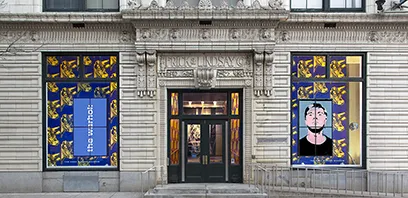
When a few of Mark Flaherty’s clients traveled to Pittsburgh for a visit, he says the top of their itinerary was unexpected. Rather than catching a game at PNC Park or riding the Duquesne Incline, their number one desire was to visit The Andy Warhol Museum.
“We travel a lot, and this is a common experience we have,” Mark says. “People will say, ‘Such a small city with such a large footprint in the arts must be a heck of a place to be.’ And my wife and I agree.”
Mark and his wife, Mary, are proud native Pittsburghers. They are particularly proud of their city’s arts scene, which they believe puts their hometown among the nation’s most culturally rich places.
Mark and Mary have financially supported two crown jewels of Pittsburgh’s arts scene—The Warhol and Carnegie Museum of Art—for decades, and Mary has also volunteered on committees at both museums.
Pittsburgh’s arts institutions were an important part of Mary’s upbringing and were a source of civic pride when she left for college. While studying and working in both Chicago and Washington, D.C., Mary was known to her peers as “Mary from Pittsburgh” based on her love for her hometown, particularly its diverse cultural offerings. She believes the arts are integral to community development and connection.
“The arts are a place where people can better understand one another,” Mary says. “They can see the world through another’s eyes.”
The arts are also a space for collaboration, Mark adds. Creators with differences in beliefs and backgrounds can come together to produce work that expresses a commonality between groups—a universal feeling or circumstance.
“Certain things are fundamental to the human experience, and visual art is probably the best way to express them,” Mark says.
Mark’s appreciation for the Carnegie Museums dates back to his upbringing in West Mifflin.
When he was young, he would venture to Carnegie Museum of Art and Carnegie Music Hall, and those experiences fostered in him a love for the visual arts and music. He later worked as a jazz pianist and supported local artists before moving to Boston to study law.
“Growing up in Pittsburgh gave us wonderful access to the best of the visual and performing arts,” he says. “It was affordable, diverse, and of the highest quality.”
The two greatly appreciate the impact these museums have on the region, and the comprehensive access to diverse art they give Pittsburgh residents.
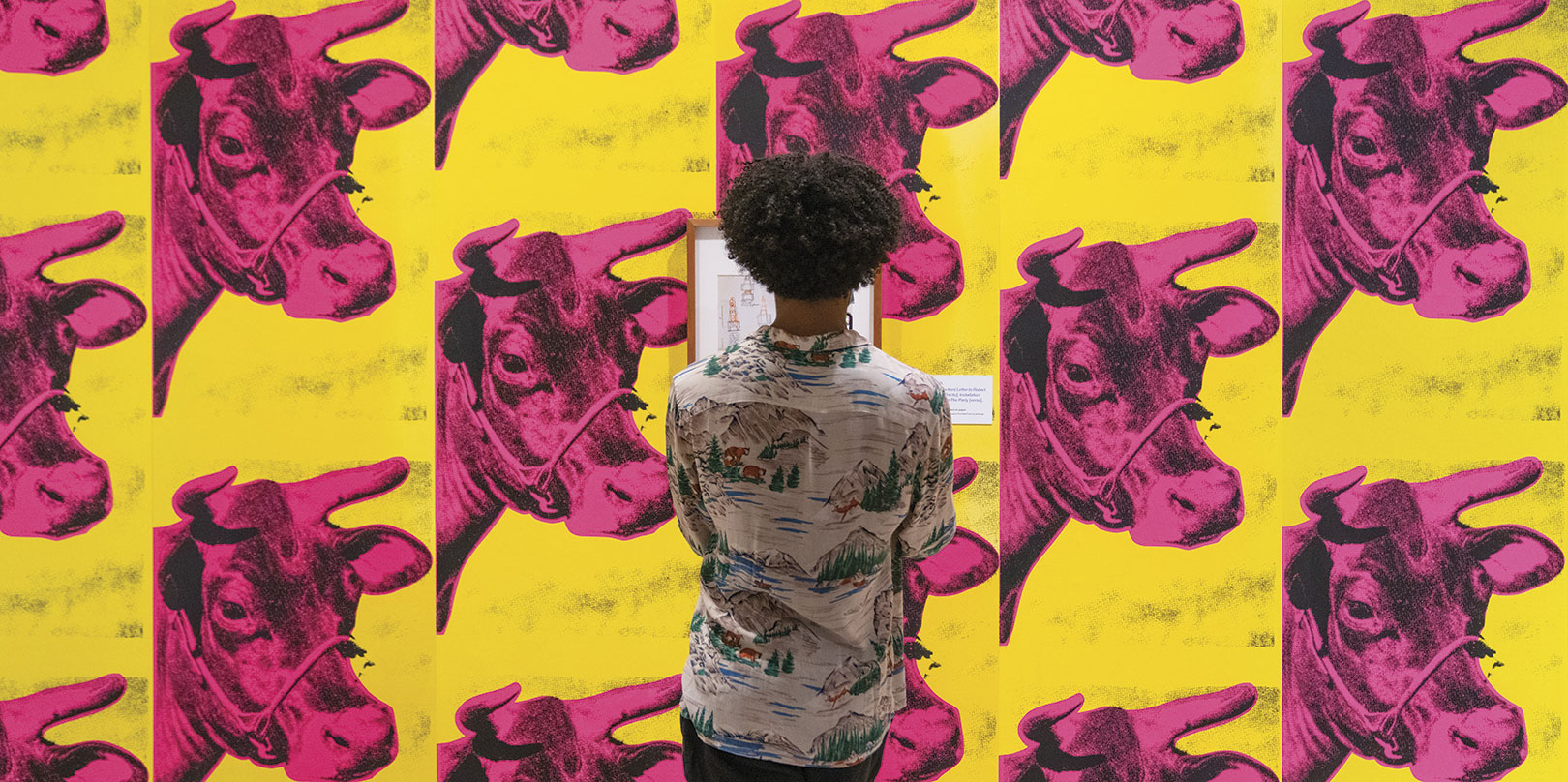
Mark and Mary believe the Carnegie International is one of the foundational connectors between Pittsburgh and the rest of the art world, opening up patrons in Pittsburgh to global perspectives that are widely unfamiliar to them. Meanwhile, The Warhol serves as a reminder of how one Pittsburgh-born artist can have an influence on the world.
“As residents, we derive pleasure, enjoyment, and inspiration from the museums, and young Pittsburghers can find themselves here and spark their own creative genius,” says Mary. “We don’t know where the next Andy Warhol or Thaddeus Mosley is. What the Carnegie Museums do for education inspires and excites us.”