Above and beyond anything else they are or do, museums like ours are repositories of objects and experiences that connect their visitors with the inspiring achievements of human creativity and the wondrous evolution of the universe and our planet as science continues to explore it. Those experiences are more than entertaining; they amount to a kind of learning that is very different from the formal schooling provided by institutions of elementary, secondary, and higher education. Call it, for want of a better term, informal education.
At Carnegie Museums, informal education takes many different forms that extend beyond the fundamental experience of a visitor stirred by an encounter with a brilliant artwork or a stunning fossil. Our four museums constantly seek ways to extend their educational mission through innovative work with schools, community groups, and families. Hundreds of thousands of young people benefit every year, many through out-of-school experiences like field trips and summer camps.
“Our four museums constantly seek ways to extend their educational mission through innovative work with schools, community groups, and families. Hundreds of thousands of young people benefit every year.”
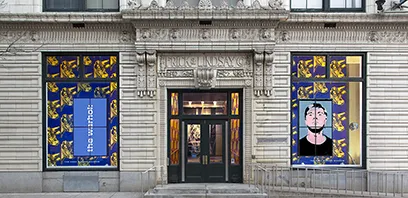
Studies show that museums improve young people’s ability to learn and help them to build confidence in their own interests and abilities. Renowned artist and Pittsburgh native Sharif Bey was a self-described “museum kid from Beltzhoover” whose curiosity led him through the galleries of Carnegie Museums of Art and Natural History. He eventually signed up for the Museum of Art’s Saturday art classes, like other famed Pittsburgh-born and -bred artists before him, including Andy Warhol and Raymond Saunders. Through October 12 at The Andy Warhol Museum, you can enjoy an exhibition of his monumental ceramic sculptures, aptly titled Sharif Bey: Homecoming.
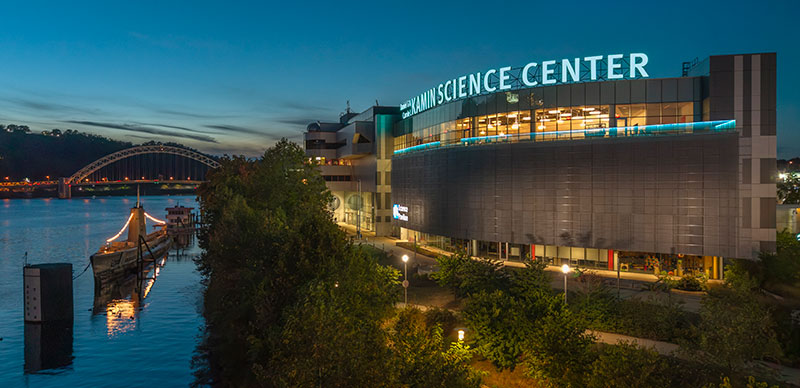
John Grayson didn’t grow up as a “museum kid,” but years ago, as a C-average student at his McKeesport elementary school, his experience at a Science Center workshop led him to earn first place at a robotics challenge by programming a robot to negotiate a maze, a task he and a partner completed in a record 25 minutes. On the bus ride home, he told his teacher, “I didn’t know my brain worked that way.” He went on to become an A student in his school’s Academy of Math and Science program.
In this issue, you’ll read about wealth manager Myah Moore Irick, who serves on Kamin Science Center’s advisory board and is a co-chair of Carnegie Museums’ ALL TOGETHER Campaign. Myah grew up surrounded by natural beauty in rural Hawaii but had limited access to museums. She recounts her experience coming up with childhood science projects without access to a science museum, and she wonders what topics she might have explored if there had been a science center to inspire her. She looks forward to seeing the ways her own three children will be shaped by their access to the rich informal education Carnegie Museums provides.